
Treatment Approach
Osteopathic Manipulative Treatment (OMT)
A Hands-On Approach to Pain, Mobility, and Recovery
Osteopathic manipulative treatment is a physician-performed, hands-on method of diagnosing and treating the body. Using precise manual techniques, I identify areas of tension, restriction, and structural imbalance, then work directly with your muscles, joints, fascia, bones, and connective tissue to restore movement and relieve pain.
OMT is not massage. It is not chiropractic. It is a distinct medical discipline rooted in more than a century of osteopathic science, performed by a licensed physician who understands anatomy, physiology, and pathology at a level that informs every decision made during treatment.

“You have no idea how much you’ve helped my father. I could cry right now. He looks so much happier. I see the confidence coming on him. He said that he’s seen many physical therapists but you are the only one that’s bringing him back to himself. No one else did that–YOU did that Dr. B! Thank you from the bottom of my heart.”
Christina J
Patient’s daughter
What OMT Can Treat
OMT addresses the root cause of pain and dysfunction, not just the symptoms. These are the most common reasons patients seek treatment.
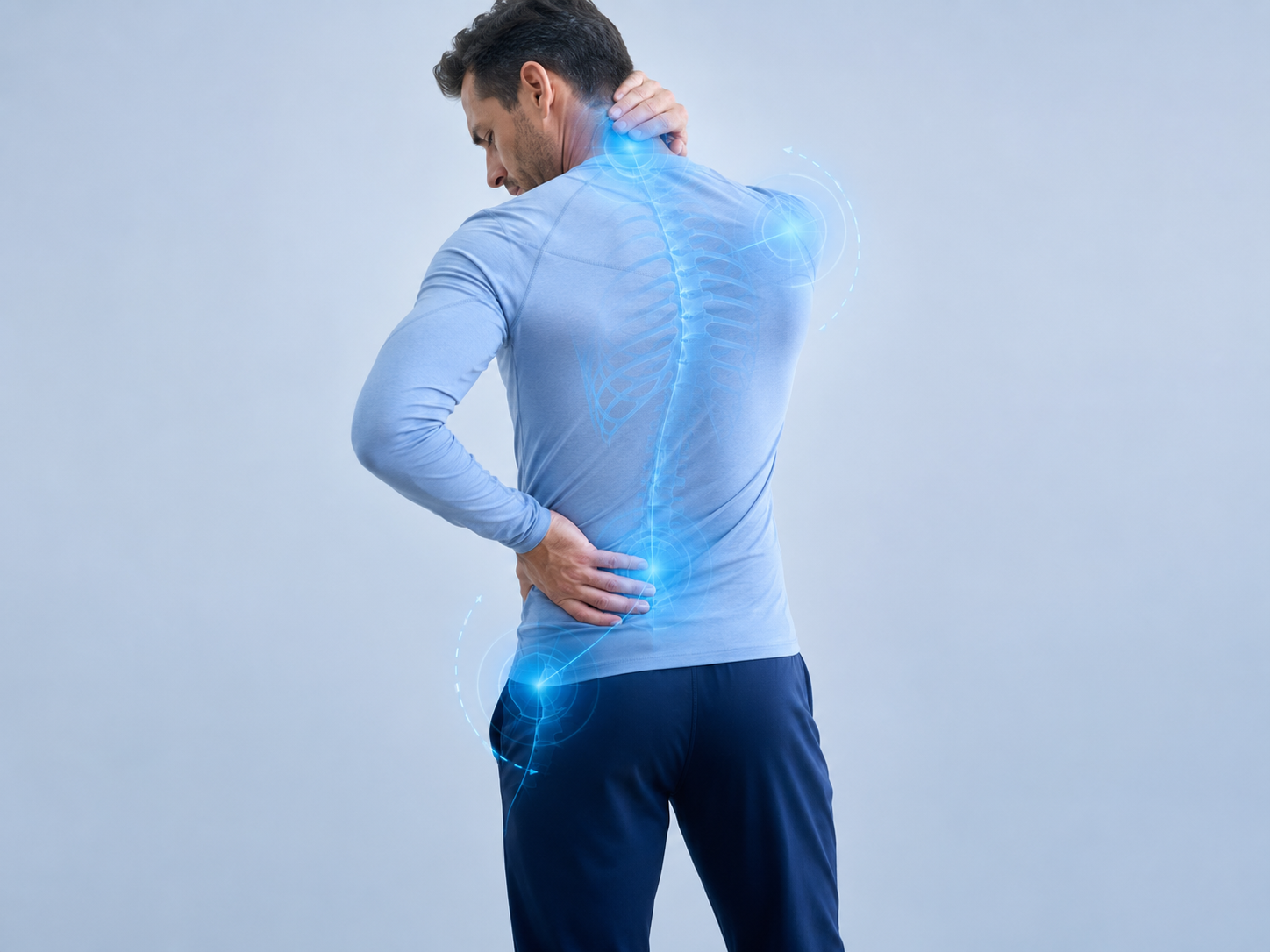
Chronic and Acute Pain
Many patients come to OMT after conventional approaches have provided only partial relief. Whether the pain is in your back, neck, shoulders, hips, or joints, OMT works by identifying and treating the structural source of your discomfort rather than masking it with medication.
Back pain, neck pain, and headaches
Joint stiffness and limited range of motion
Pain that has not responded to physical therapy or medication alone
Request a Consultation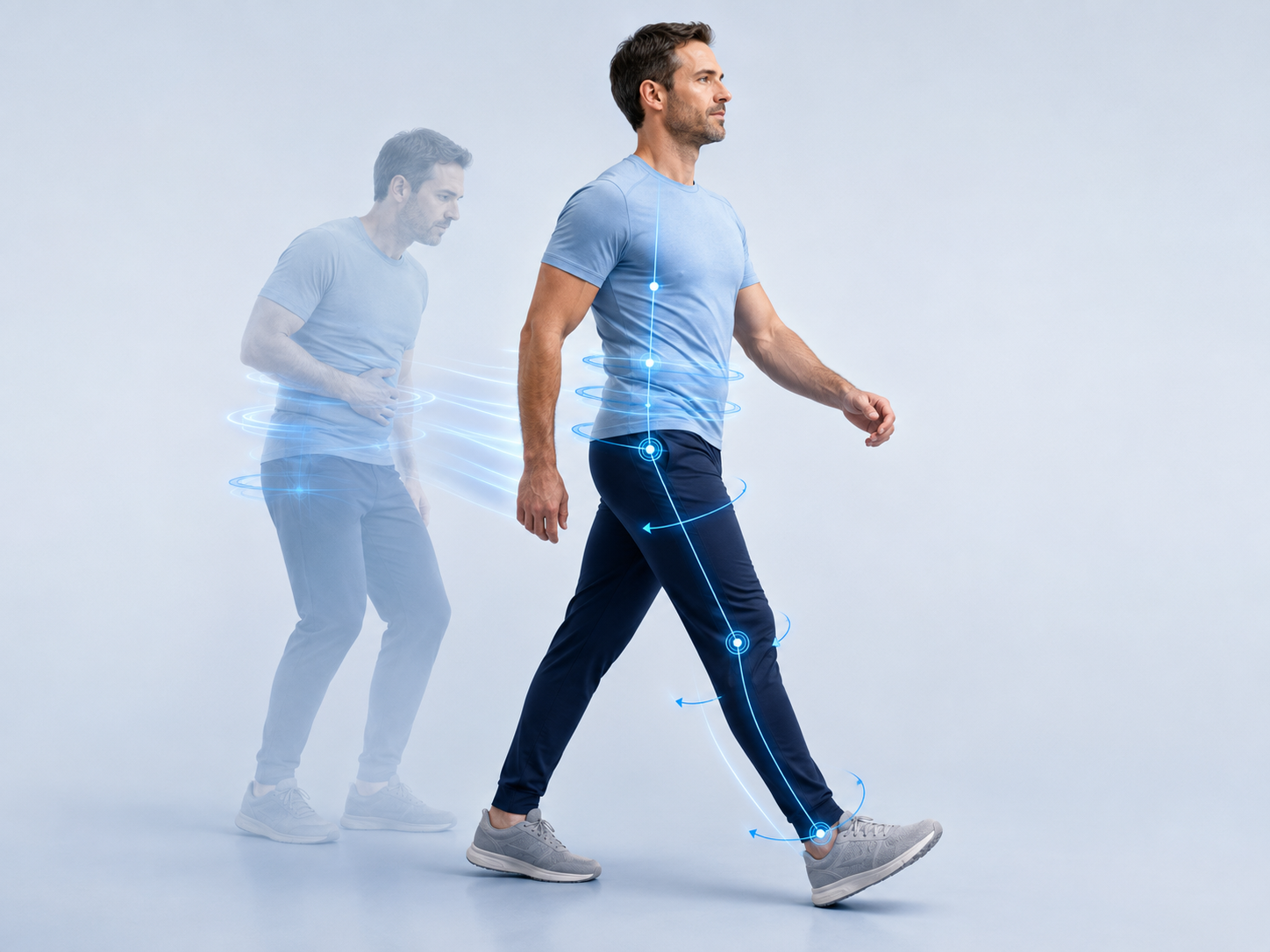
Post-Surgical and Post-Injury Recovery
Surgery and injury leave behind scar tissue, compensatory movement patterns, and areas of restriction that can persist long after the initial healing is complete. OMT helps the body resolve these lingering patterns so you can return to full function.
Recovery after orthopedic or abdominal surgery
Persistent stiffness or pain months after an injury
Compensation patterns that developed during healing
Learn More
Stress, Tension, and Preventive Care
Not every patient arrives with an acute complaint. Many seek OMT to manage the physical effects of stress, maintain mobility as they age, or address minor restrictions before they become significant problems. Regular OMT sessions can be an important part of proactive health maintenance.
Stress-related tension in the neck, shoulders, and upper back
Maintaining mobility and preventing functional decline
Whole-body assessment to catch developing issues early
View Membership OptionsHow OMT Works
Every session follows a structured clinical process, adapted to your body and your goals.
Assessment
Each session begins with a detailed evaluation. I use my hands to palpate your body, identifying areas where tissue texture, motion, and alignment are abnormal. This hands-on assessment often reveals restrictions that imaging alone cannot detect.
Diagnosis
Based on what I find, I form a working diagnosis that accounts for how different areas of your body are influencing each other. A shoulder problem may originate in the rib cage. A headache may stem from tension in the cervical spine. OMT treats these connections, not just isolated symptoms.
Treatment
I apply a range of manual techniques tailored to your specific findings. These may include soft tissue stretching, myofascial release, muscle energy techniques, and cranial osteopathy. The approach varies based on your condition, your comfort, and what your body responds to best.
Reassessment
After treatment, I re-evaluate the areas I addressed to confirm that tissue quality, motion, and alignment have improved. This real-time feedback loop ensures that every session produces measurable change, and it informs the plan for your next visit.
Find Out if OMT Is Right for You
If you are living with pain, recovering from an injury, or simply want a physician who will take the time to understand your body, I welcome the opportunity to talk with you. The first step is a conversation.
Request a Consulation